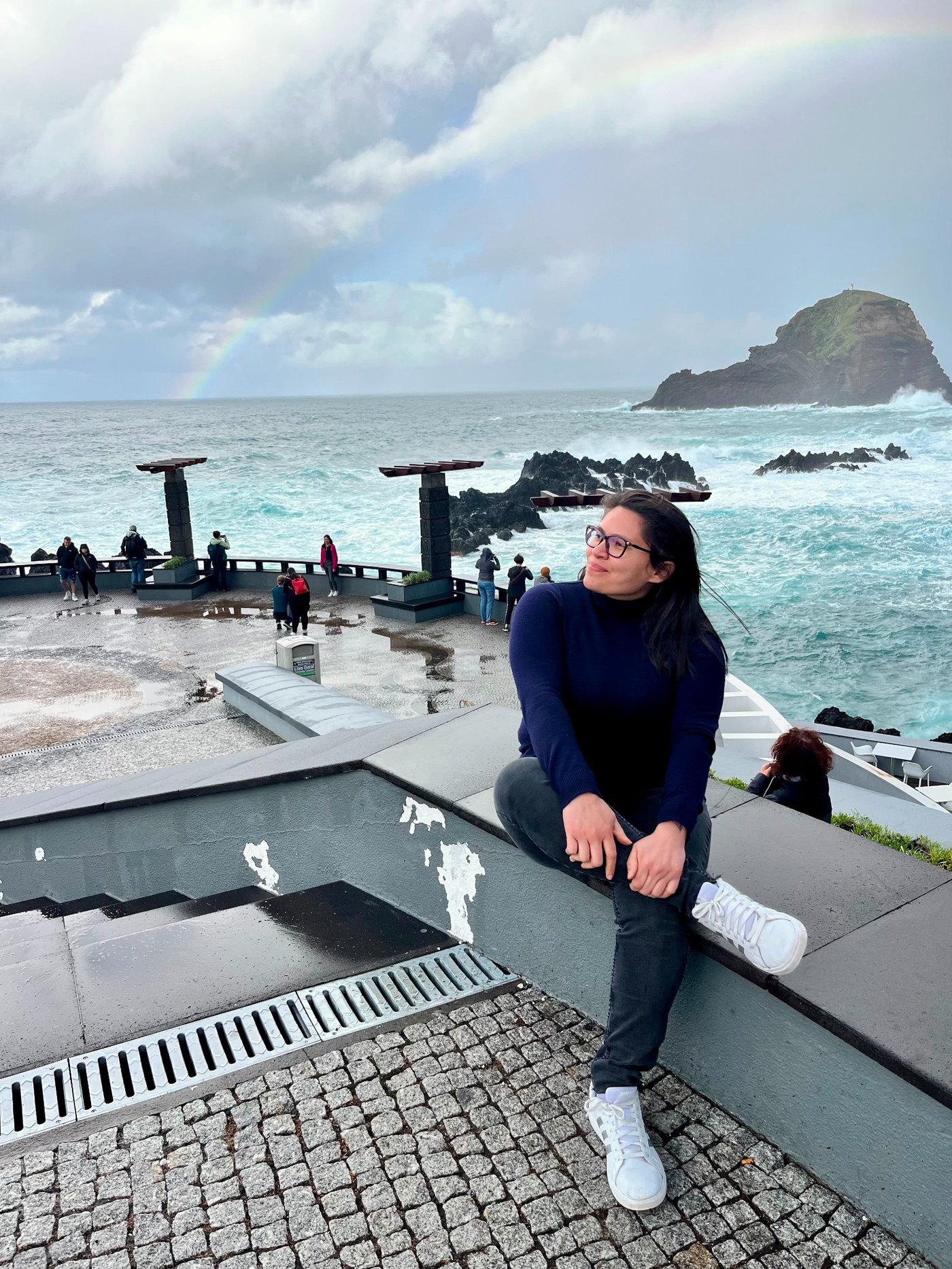
I am a psychologist with a PhD in Applied Psychology from the University of Minho (2026). From October 2026, I am a postdoctoral researcher in Clinical and Health Psychology at the University of Beira Interior. My research examines how work shapes psychological health, and how that impact is patterned by gender, sexuality, migration, occupational class, and institutional arrangements.
My work sits at the intersection of occupational health, psychosocial risks, gender, intersectionality, and LGBTQIA+ workplace inclusion. I combine qualitative and quantitative approaches to understand not only whether work harms health, but whose work becomes riskier, under what conditions, and why.
Across publications, funded projects, and applied collaborations, I work with questions that matter to researchers, organizations, public institutions, and community partners: how to assess psychosocial risks more accurately, how to move from formal inclusion to lived inclusion, and how to build workplaces that are safer, fairer, and more psychologically sustainable.
Research
My research begins with a simple observation: work is not experienced the same way by everyone. The same organizational environment that feels routine to some workers can become a source of chronic stress, exclusion, or erasure for others.
This asymmetry, structured by gender, sexual orientation, migration status, and occupational class, runs through everything I do. From factory floors in industrial Portugal to the invisible labor of LGBTQIA+ workers navigating hostile environments, the aim is to make visible what organizational metrics tend to obscure.
Working together
I am interested in collaborations where research can clarify hidden patterns of risk, translate evidence into better organizational practice, or support communities whose working lives are still poorly represented in occupational health research.
- Research collaboration: articles, book chapters, comparative studies, grant proposals.
- Applied projects: psychosocial risk, workplace inclusion, organizational climate, mental health at work.
- Methods: qualitative interviews, COPSOQ-informed assessment, intersectional quantitative approaches.
- Talks & workshops: invited lectures, seminars, community events and training.